Concussion Treatment and Recovery Care
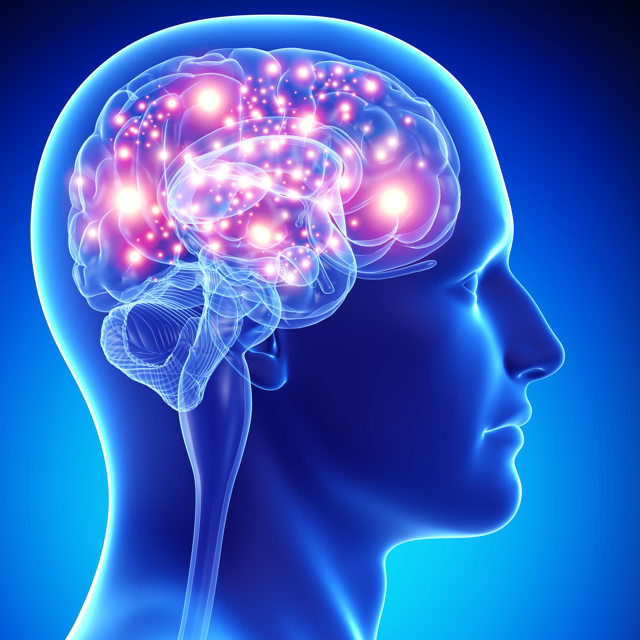
A concussion is a head injury that temporarily affects the way your brain works, sometimes showing up as trouble with attention, memory, judgment, reflexes, balance, coordination, or sleep. It's common after a fall, a car accident, or a hit during sports, and knowing what to do next makes a real difference in how smoothly you or your child recovers.
If you suspect a concussion, the safest first step is getting evaluated. Our team is here to walk you through what to expect, from diagnosis through a safe return to school, work, or play.
Signs and Symptoms
Some signs call for immediate medical attention: a head injury with visible bleeding or bruising, weakness, numbness, or trouble with coordination, vomiting, slurred speech, loss of consciousness or unusual drowsiness, unequal pupils, seizures, confusion or disorientation, or noticeably unusual behavior. In infants, this often looks like inconsolable crying or refusing to feed. If you see any of these signs, seek emergency care right away.
Other symptoms can be milder and sometimes don't show up until days, weeks, or even months later. These include headaches, blurry vision, nausea or dizziness, trouble thinking, concentrating, or remembering, irritability, sadness, anxiety, or mood swings, and changes in sleep. If these symptoms appear after a head injury, it's worth getting checked out even if the injury didn't seem serious at the time.
Approach to Treatment
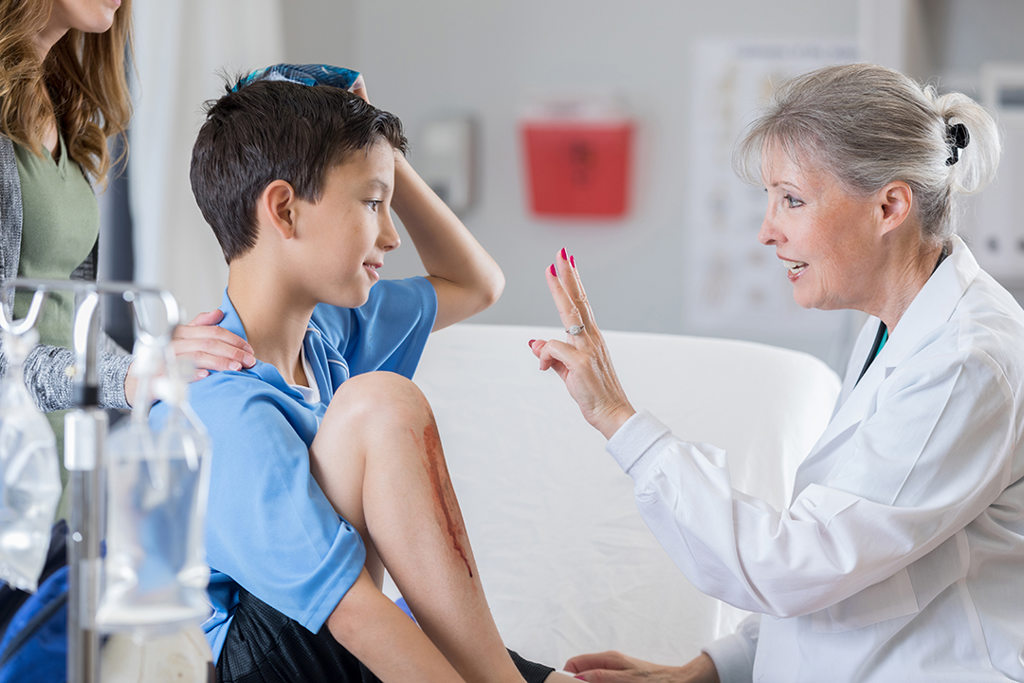
Diagnosis starts with understanding how the injury happened and a neurological exam checking your vision, hearing, reflexes, balance, strength, memory, and concentration. If symptoms are more severe, we may order imaging to get a clearer picture.
For athletes, we also use ImPACT testing, a pre-season baseline measuring memory, processing speed, and reaction time. If a concussion happens, we can retest and compare results to guide diagnosis and track recovery.
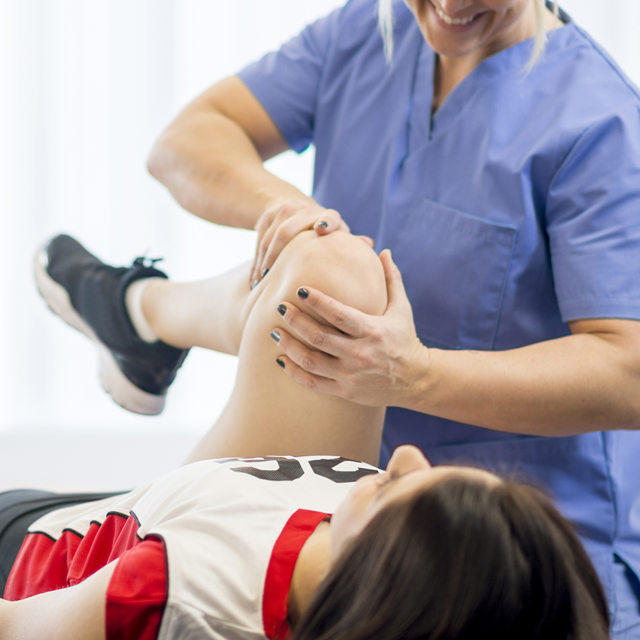
Physical rest is essential to recovery, which usually means stepping back from sports and other high-risk activities. Depending on your symptoms, we may also recommend mental rest, which can mean a lighter school or work schedule, or cutting back on reading, screens, and TV for a while. If you're dealing with ongoing balance problems, migraines, or neck pain, physical therapy can be part of your recovery plan too.


Neurology
Penn Highlands Neurology - DuBois
A Service of Penn Highlands DuBois
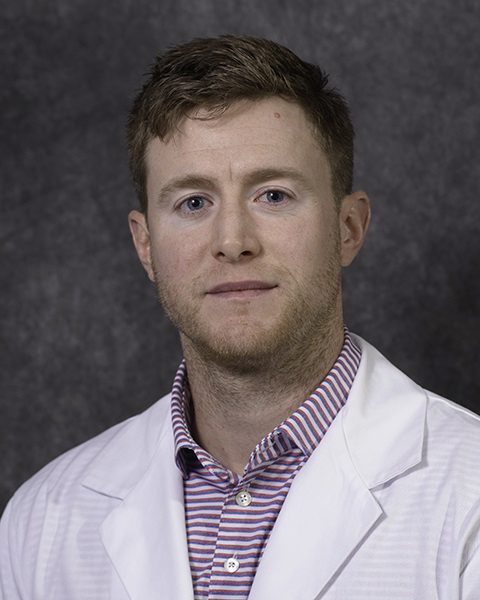
Sports Medicine
Penn Highlands Orthopedics and Sports Medicine - Rostraver Township
A Service of Penn Highlands Mon Valley
Penn Highlands Orthopedics and Sports Medicine - Charleroi
Penn Highlands Orthopedics and Sports Medicine - California
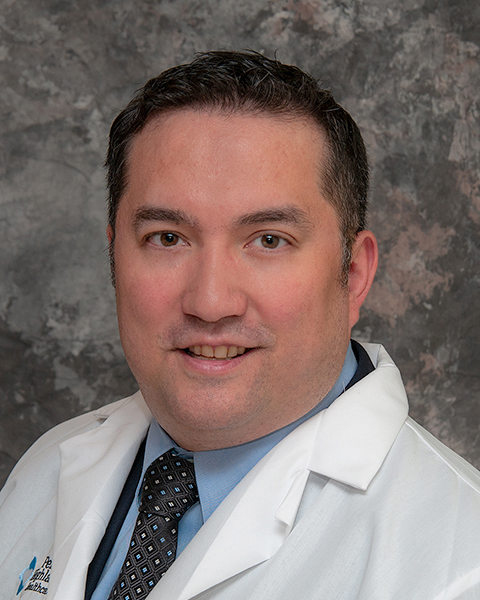
Neurology
Penn Highlands Neurology - DuBois
A Service of Penn Highlands DuBois
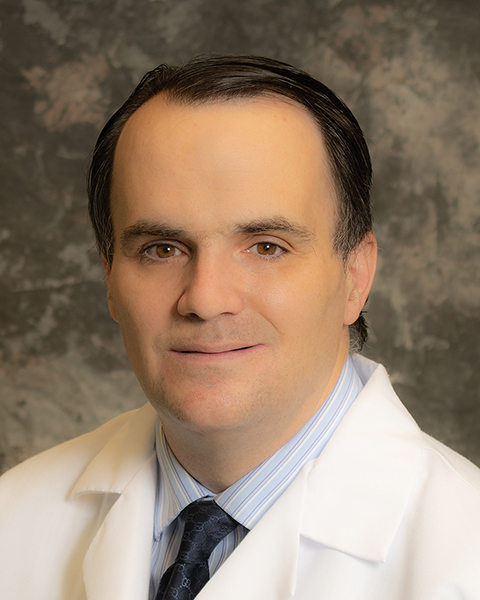
Hospital Medicine
Penn Highlands Neurology - DuBois
A Service of Penn Highlands DuBois
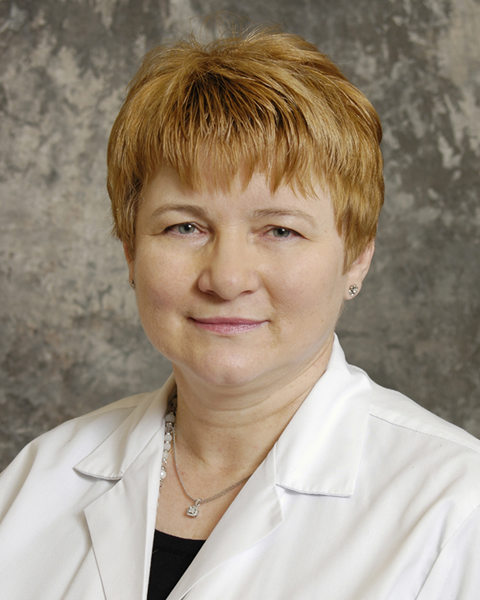
Neurology
Penn Highlands Neurology - DuBois
A Service of Penn Highlands DuBois
Sports Medicine
Penn Highlands Orthopedics and Sports Medicine - Clarion
A Service of Penn Highlands DuBois
Penn Highlands Orthopedics and Sports Medicine - DuBois COE
A Service of Penn Highlands DuBois
Penn Highlands Orthopedics and Sports Medicine - St. Marys
A Service of Penn Highlands DuBois
Penn Highlands Orthopedics and Sports Medicine - State College
A Service of Penn Highlands Huntingdon
Penn Highlands Concussion Clinics
The Penn Highlands Concussion Clinic brings together orthopedic and sports medicine physicians and neuropsychologists, working alongside physical therapists, to evaluate, test, and manage concussion care for patients of every age.
Concussion Clinics have an orthopedic/sports medicine physician and a neuropsychologist on staff. They work closely with Penn Highlands physical therapists to provide comprehensive concussion treatment. That includes concussion evaluation, testing, setting up a concussion treatment plan, and managing concussion recovery.
Return-to-Play Guidance
Returning to sports or strenuous activity too soon after a concussion carries real risk, including second-impact syndrome – a rare but serious and potentially fatal condition. That's why we take return-to-play decisions seriously, using follow-up ImPACT testing to compare your recovery against your baseline before clearing you to return.
Our sports medicine team, which also serves as team physicians for school and college athletic programs, helps coordinate a safe return alongside coaches and athletic trainers.
Frequently Asked Questions
Treatment starts with physical and often mental rest, avoiding sports and other high-risk activities while your brain recovers. Depending on your symptoms, physical therapy or other supportive care may also be part of your recovery plan.
Symptoms can include headache, blurry vision, nausea or dizziness, trouble concentrating or remembering, irritability or mood changes, and sleep disturbances. More severe signs, like vomiting, slurred speech, loss of consciousness, or seizures, need immediate emergency care.
Seek emergency care for visible head trauma with bleeding, weakness or numbness, vomiting, slurred speech, loss of consciousness, unequal pupils, seizures, confusion, or unusual behavior. When in doubt, it's always safer to get it checked.
Recovery time varies from person to person and depends on the severity of the injury and how closely you follow your treatment plan. Your care team will monitor your progress and let you know what to expect for your specific situation.
Whether you need one comes down to your insurance plan and, sometimes, your location. If you're not sure, reach out to our team and we'll help you figure out the right next step.